Pioneering Interventions
& Experiences
Building the First Proper Classroom in Tartong, Helambu
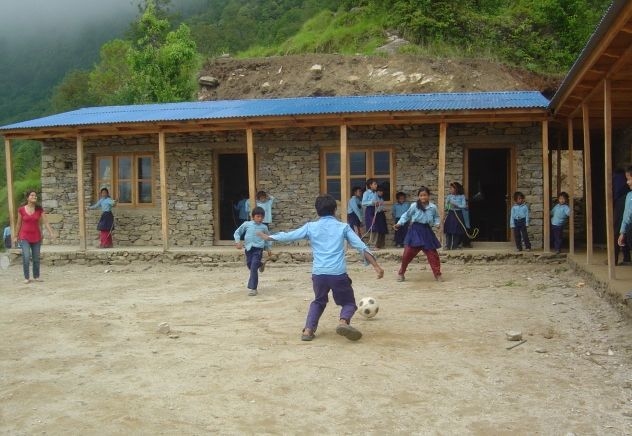
Shree Deurali Basic School, located in Tartong village of Helambu, had over 70 children studying up to grade 5. Despite this, the school only had three classrooms, all overcrowded and inadequate to meet the needs of the students. During our early needs assessment, we recognized the urgent need for proper learning spaces. In response, HELP helped build the first proper classroom in Tartong in 2010 and 2012, providing children with a safe and conducive environment to learn. This project marked a significant milestone in improving the quality of education in the village.
Supplying the First Drinking Water in Chhamkhu Village
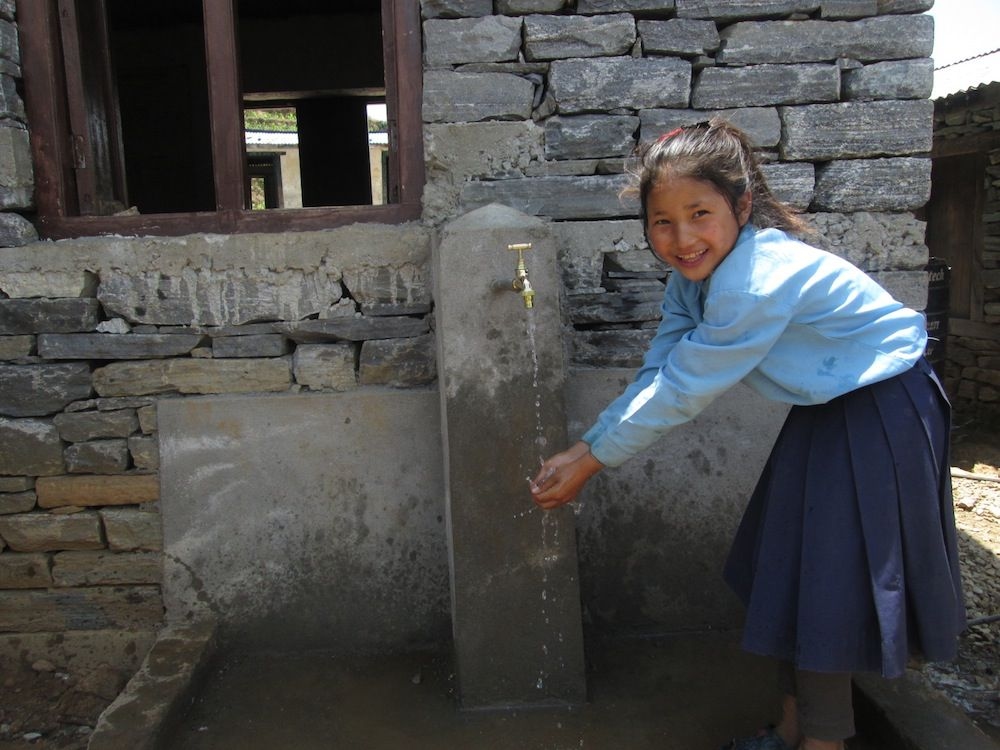
Chhamkhu, a small village in Melamchi, had a school running up to grade 5. Over 100 children were forced to walk several kilometers to fetch drinking water, making their daily school routine extremely challenging. Recognizing the critical need, HELP, with support from our volunteer Pal Ranhiem from Norway and contributions from local villagers, installed a drinking water facility by laying a water pipeline over a distance of 2 kilometers. Later, Chhamkhu was selected as one of HELP’s school reconstruction projects, which was successfully completed in 2019, providing the village with safe water and improved educational infrastructure.
Building the First Toilet Facility at Gunsa
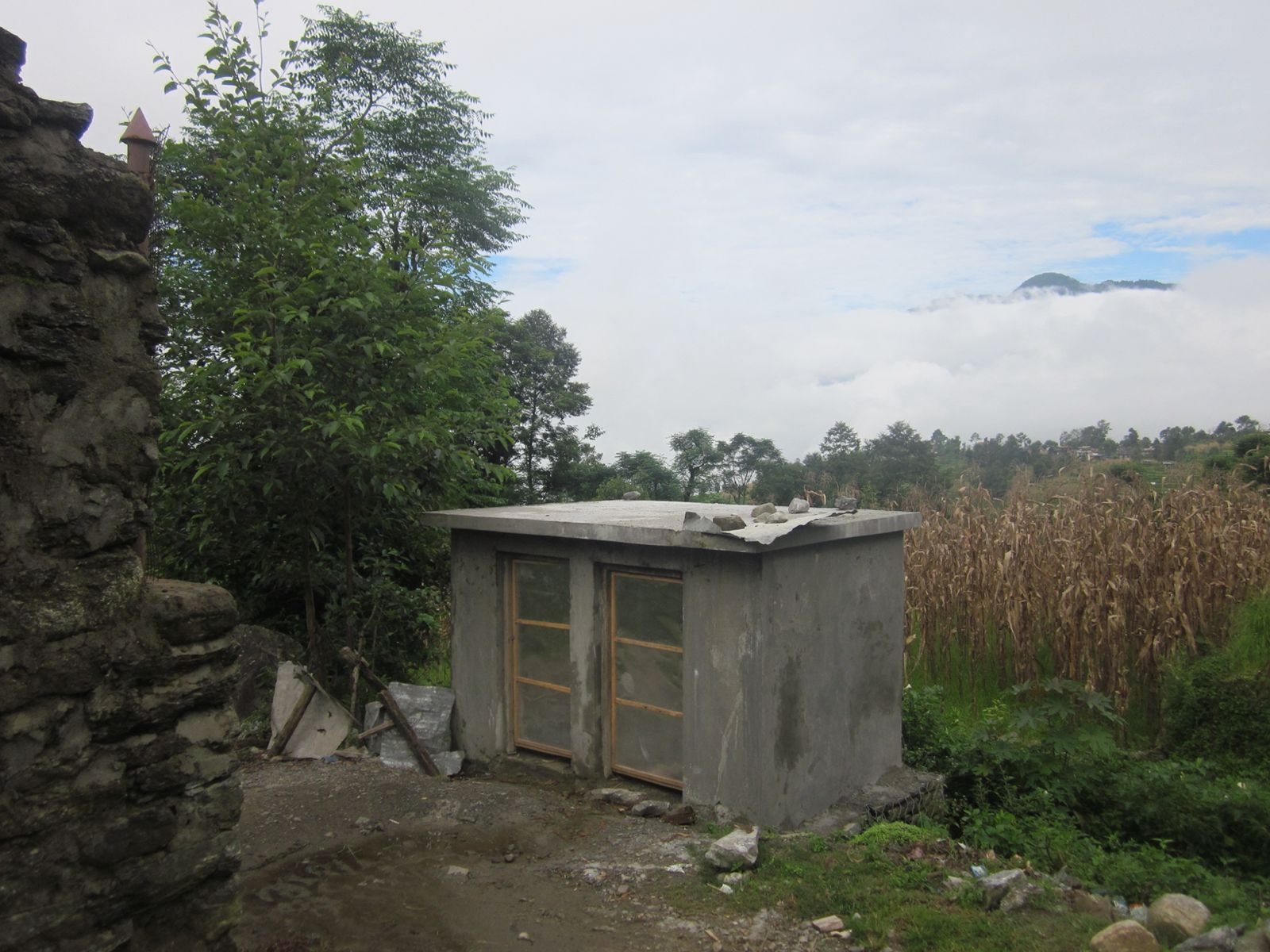
A television report brought the situation in Gunsa to our attention, prompting a site visit. We were alarmed to find the school in a dilapidated state, with insufficient classrooms, desks, and benches. Most concerning, the classrooms were being used as toilets due to the lack of proper sanitation and toilet building. HELP proposed building a toilet facility for the community, contingent on the school maintaining hygienic premises. This intervention not only improved sanitation but also set a precedent for hygiene awareness. That later paved a way for HELP and Mondo Foundation to support the construction of four new classrooms and in rebuilding the school following the earthquake, significantly improving the learning environment.
Establishing a School Café in Nakote
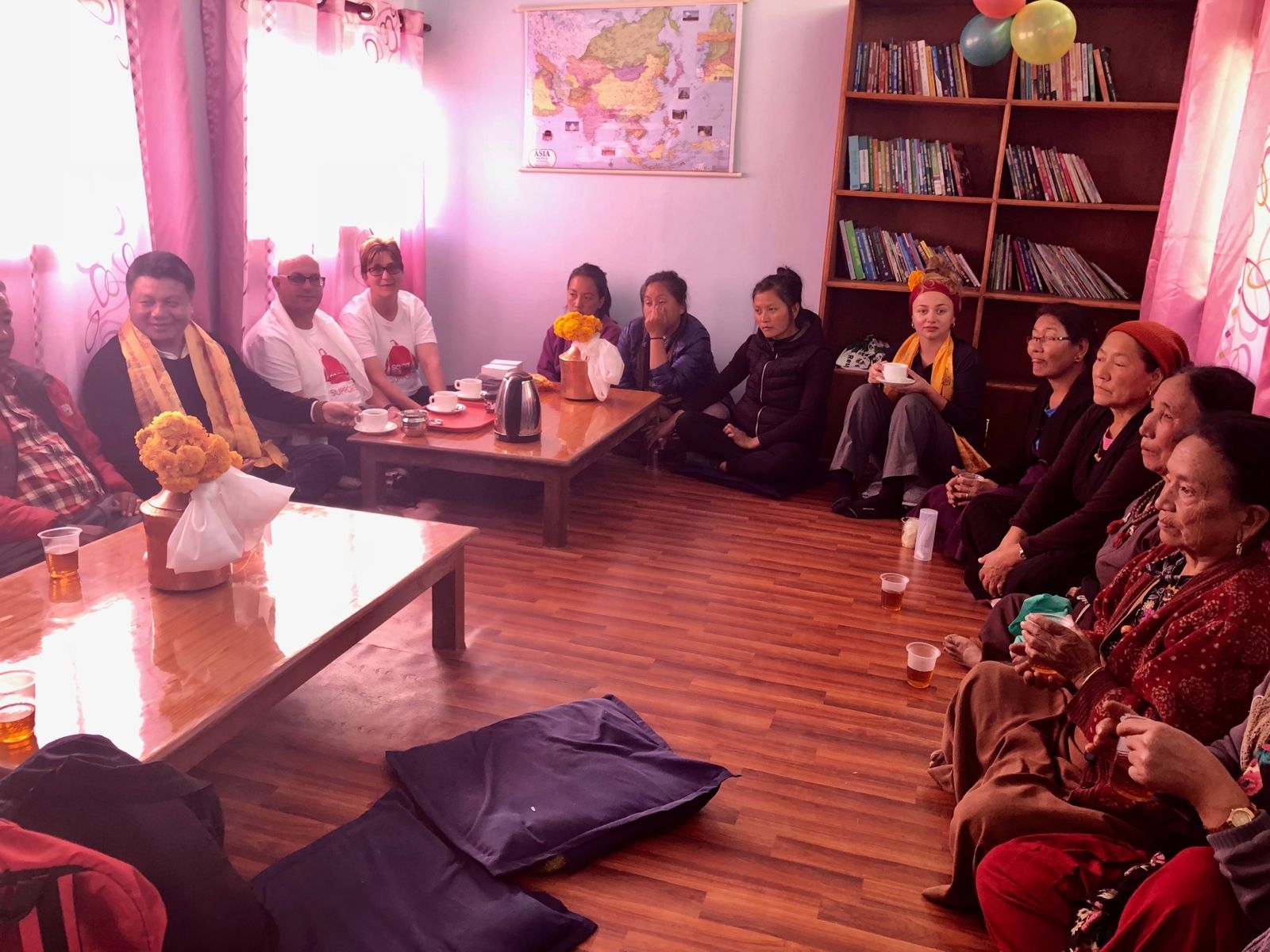
Following the reconstruction of Shree Pema Chholing School, HELP initiated a community-driven project by setting up a school-based library-cum-café supported by the former Mayor and Mayoress of Yeovil in the UK through SchoolinaBag. This initiative served multiple purposes: generating income for the school through trekkers passing by, providing a dedicated space for after-school classes, and offering reading facilities for both children and adults in the community. The school café became a hub for learning, community engagement, and economic activity.
Introducing the First Laptops to Schools
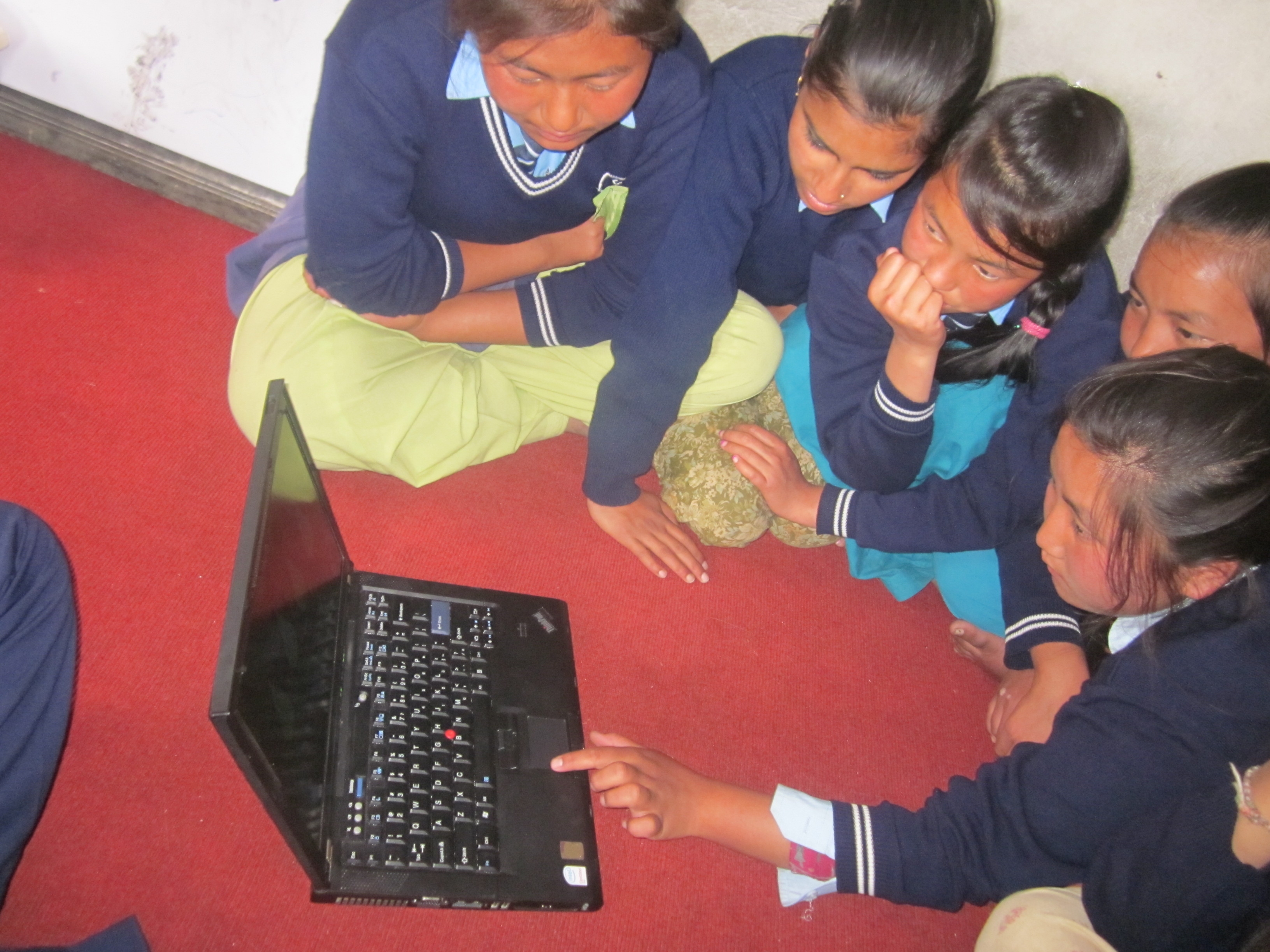
As part of our mission to connect rural schools to the wider world, HELP, in collaboration with Kids on the Grid, supplied laptops to ten schools in Helambu. At a time when many children lacked even the most basic educational resources, these laptops provided teachers and students with access to digital learning, sparking excitement and curiosity and helping integrate technology into the classroom for the first time.
Girls’ Hostel in Timbu
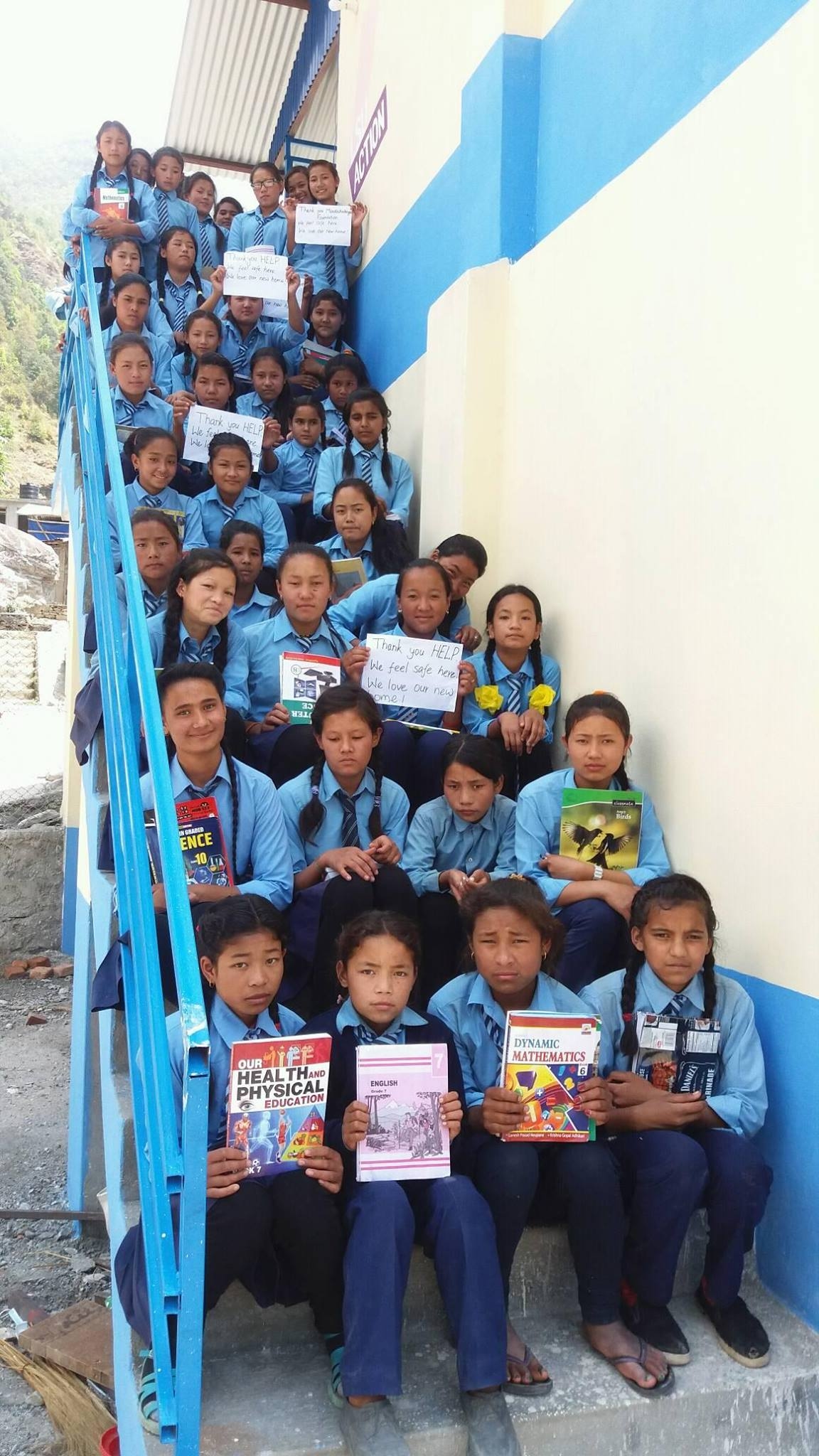
Shree Golmadevi Secondary School in Timbu, Helambu, serves as a central school for several feeder villages. Students, especially girls, faced challenges during the monsoon and winter months, often having to leave classes early to return home in unsafe conditions. To address this, HELP converted an old school building into a girls’ hostel, equipped with beds, bedding, and kitchen facilities, providing a safe and supportive living environment. Unfortunately, the hostel was destroyed in the earthquake shortly after completion. HELP later rebuilt the hostel using earthquake-resilient construction methods, ensuring a long-term safe space for girls. We are grateful to the students from Loughborough University who were instrumental in establishing the hostel initially.
Launching Volunteer Engagement Through HELP
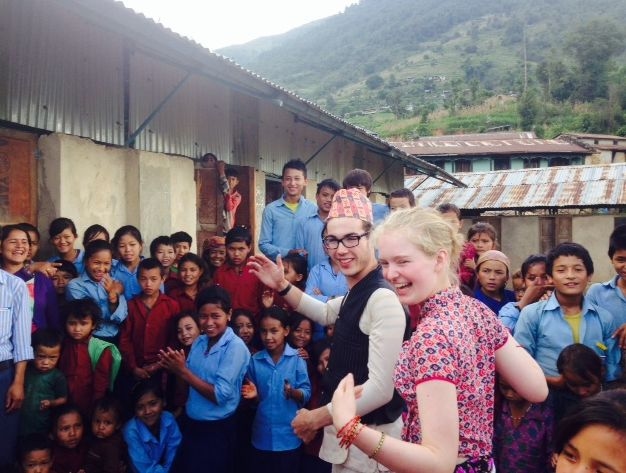
The placement of Alexandra Trotchtova from the Czech Republic, who later went on to study at Cambridge University, introduced HELP to the idea of recruiting international volunteers from Cambridge to teach in rural Nepal schools through HELP. Through her network, HELP received its first group of volunteers from Cambridge University. In 2010, five volunteers namely Nitish Upadhyaya, Douglas Hull, James Hollingshead, Bethan Gudgeon, and Kirsty Brown joined us in Helambu, leaving a lasting impact on both the community and the programme. Their experience was so powerful that they went back to establish a sustainable system for recruiting future volunteers by setting up CU HELP as a student society within Cambridge University. That programme advertised as “Teach and Trek” in Nepal became so popular that over the past 15 years, we have hosted more than 300 volunteers from University of Cambridge alone and other institutions in the UK have joined their initiatives, forming one of our strongest support networks. Simultaneously, we established a volunteer programme through our Danish partner, ITA, as early as 2009 to recruit young Danes who have made equally impressive contributions and impressions in the communities they have served.